
Top Waterproofing Products for Effective Leak Prevention
Discover the leading waterproofing solutions designed to protect your property from water damage and ensure lasting durability.
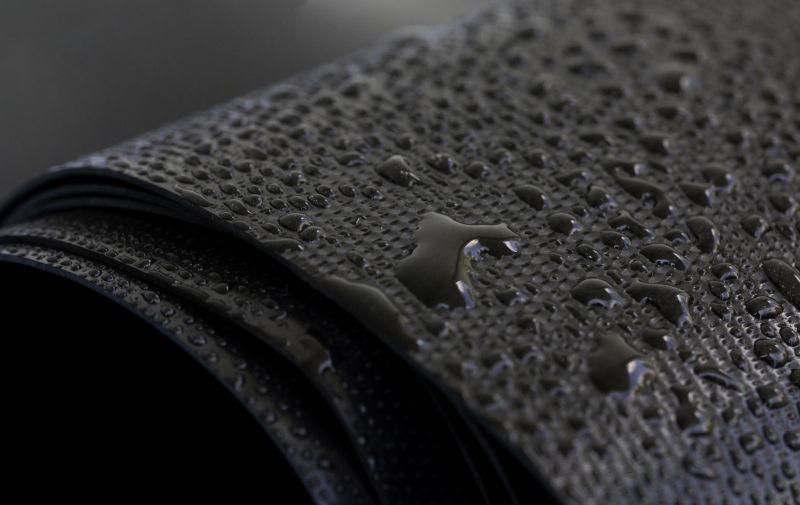 Waterproofing products are essential for protecting structures, foundations, and surfaces from water intrusion and damage. They come in various forms, each suited for specific applications such as basements, roofs, decks, or underground structures. Proper selection and application of waterproofing materials can help prevent issues like leaks, mold growth, and structural deterioration. Whether for new construction or renovation projects, understanding the different types of waterproofing solutions is crucial for achieving effective and durable results.
Top Overall Option
Comprehensive Waterproofing System
A versatile and multi-layered waterproofing system designed for a wide range of applications, offering both liquid membranes and protective barriers. It provides a durable, flexible, and adherent solution suitable for foundations, roofs, and underground structures. Its ease of application and compatibility with various surfaces make it a reliable choice for many projects.
Types of Products For Waterproofings
Liquid Waterproofing Membranes
Flexible liquid coatings that form seamless barriers on roofs, decks, and foundations, often applied with brushes, rollers, or sprayers.
Bituminous Coatings
Asphalt-based coatings suitable for below-grade applications and roofing, providing a thick, protective layer resistant to water penetration.
Rubberized Sealants
Flexible sealants ideal for sealing joints, cracks, and seams in various surfaces, offering waterproof protection and elasticity.
Cementitious Waterproof Coatings
Ready-mixed cement-based coatings that can be applied directly to concrete or masonry surfaces, forming a durable barrier against water.
Sheet Membranes
Pre-formed waterproof sheets made from materials like PVC or TPO, useful for large flat surfaces and underground structures.
Polyurethane Coatings
High-performance coatings with excellent elasticity and adhesion, suitable for roofs and decks exposed to weather.
Acrylic Waterproof Coatings
Water-based coatings that provide breathable, flexible waterproofing for roofs and walls.
Sealant Tapes
Self-adhesive tapes designed for sealing joints, seams, and cracks in various surfaces to prevent water ingress.
Spray-On Waterproofing
Sprayable coatings that create a waterproof barrier quickly over large or irregular surfaces, suitable for roofs and walls.
Crystalline Waterproofing
Chemical treatments that penetrate concrete, forming crystals that block water pathways from within the structure.
Hydrophobic Paints
Specialized paints that repel water on contact, used on exterior walls and surfaces prone to moisture exposure.
Waterproofing Additives
Chemical additives mixed with concrete or mortar to enhance their water-resistant properties during construction.
Popular Choices
Widely used for their seamless application and versatility across different surfaces and structures.
Commonly selected for below-grade waterproofing due to their robustness and proven performance.
Favored for sealing cracks and joints in foundation walls and roofing systems.
Preferred for large-scale waterproofing projects, especially in underground and foundation applications.
Chosen for their durability and elasticity, suitable for exposed surfaces like decks and roofs.
A go-to option for basement walls and concrete structures requiring reliable moisture barriers.
Convenient for covering irregular surfaces quickly and effectively in various construction scenarios.
Increasingly used for concrete structures needing internal water resistance.
Applied on exterior surfaces to provide an additional layer of water resistance.
Many waterproofing products are designed to create a barrier that resists water penetration while remaining flexible enough to accommodate slight movements in the substrate. This flexibility is particularly important in areas prone to temperature fluctuations or ground shifts. Additionally, some products are formulated to adhere strongly to different surfaces, including concrete, wood, or metal, ensuring a tight seal that lasts over time.
When choosing waterproofing materials, factors such as the environment, surface type, and exposure conditions should be considered. For instance, high-moisture areas like basements may require thicker, more resilient coatings, while roof applications might benefit from liquid membranes that can seamlessly cover complex shapes. Proper surface preparation, including cleaning and priming, is essential to maximize adhesion and performance of the waterproofing layer.
Overall, investing in quality waterproofing products can significantly extend the lifespan of structures and reduce maintenance costs. Regular inspections and timely reapplications are recommended to maintain the integrity of the waterproofing system. By selecting the right products and applying them correctly, property owners can effectively safeguard their investments against water-related issues.
Key Buying Considerations
- Identify the specific area or surface that requires waterproofing to select the most suitable product type.
- Consider the environmental conditions, such as exposure to UV rays, temperature fluctuations, and moisture levels.
- Evaluate the flexibility of the product to accommodate slight movements or shifts in the substrate.
- Check compatibility with existing materials and surfaces to ensure proper adhesion and performance.
- Determine the required thickness or coverage area to estimate the quantity needed for the project.
- Review application methods—some products require brushes, rollers, sprayers, or trowels—and choose accordingly.
- Assess the drying or curing time to plan the project timeline effectively.
- Look into the durability and lifespan of the product to ensure long-term protection.
- Consider ease of maintenance and reapplication frequency for ongoing waterproofing needs.
- Verify if the product has any specific storage or handling requirements for safety and effectiveness.
- Research user reviews and manufacturer specifications to gauge real-world performance.
- Determine if the product is suitable for interior, exterior, above ground, or below ground use.
- Check for compatibility with other building materials to avoid adverse reactions.
- Evaluate cost-effectiveness based on coverage, durability, and ease of application.